
Industrial-Grade, Non-Destructive Recovery
Recovering value from vulcanized rubber and rubber-coated steel requires processes that are selective, controlled, and non-destructive. Our technology is designed to do exactly that. Using two distinct, patented workflows, one for rubber, one for steel, we enable material recovery that preserves performance, avoids damage, and fits into real industrial operations. This page explains how each process works at a high level and why the outcomes differ from conventional recycling or stripping methods.
DEVULCANIZATIONRubber
Recovery
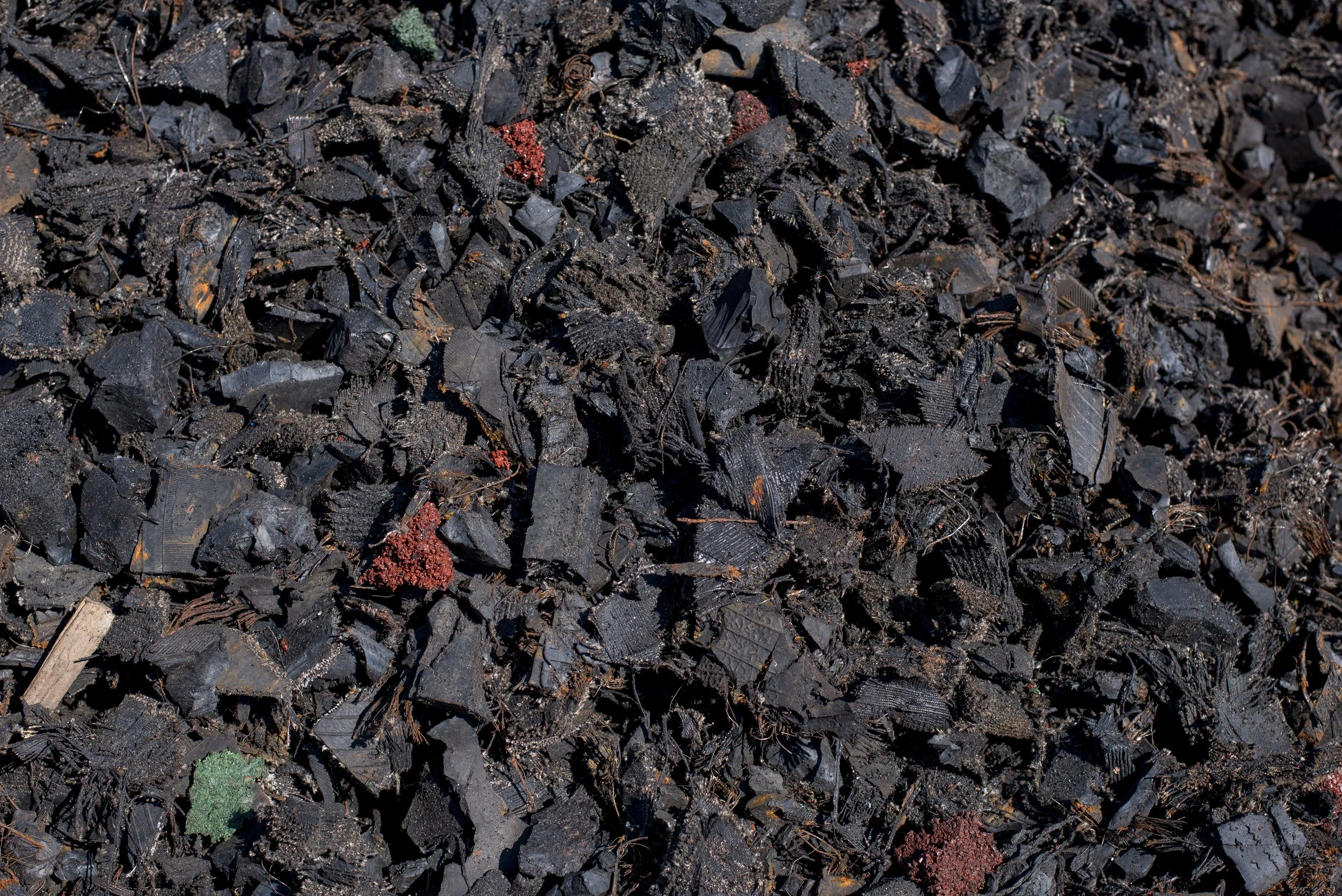
Devulcanization restores vulcanized rubber so it can be reused in manufacturing rather than discarded or downcycled.
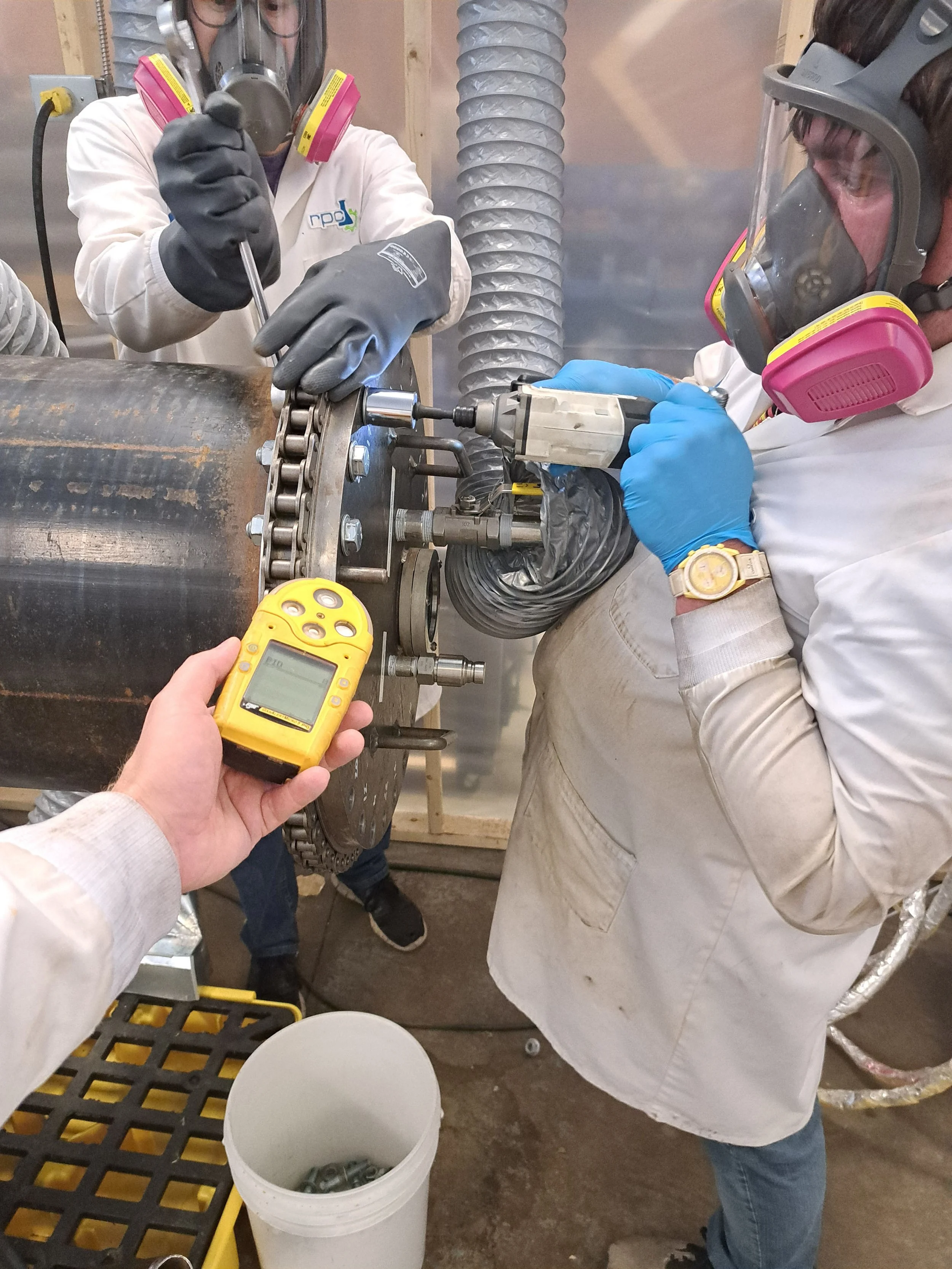
Vulcanized rubber is processed in controlled reactors where specific chemical conditions are used to reverse the bonds that make rubber difficult to reuse. The treatment is designed to preserve the underlying polymer structure, producing a reclaimed rubber that can be reintroduced into industrial formulations. Operating parameters are tuned to different rubber types, and material quality is verified before reuse.
The outcome is reclaimed rubber that meets industrial performance requirements and can displace virgin material in manufacturing applications.
RUBBER DETACHMENTSteel
Recovery
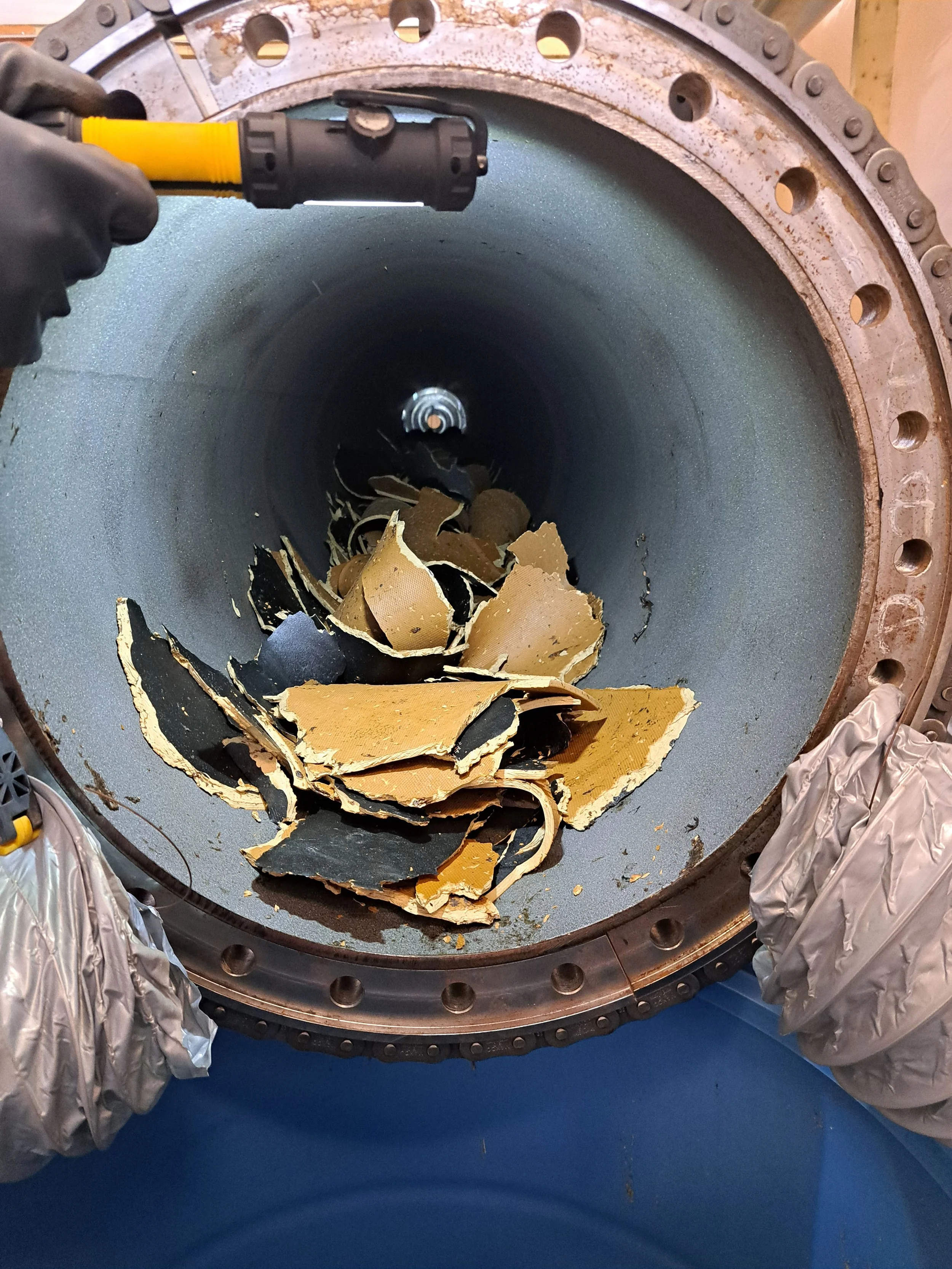
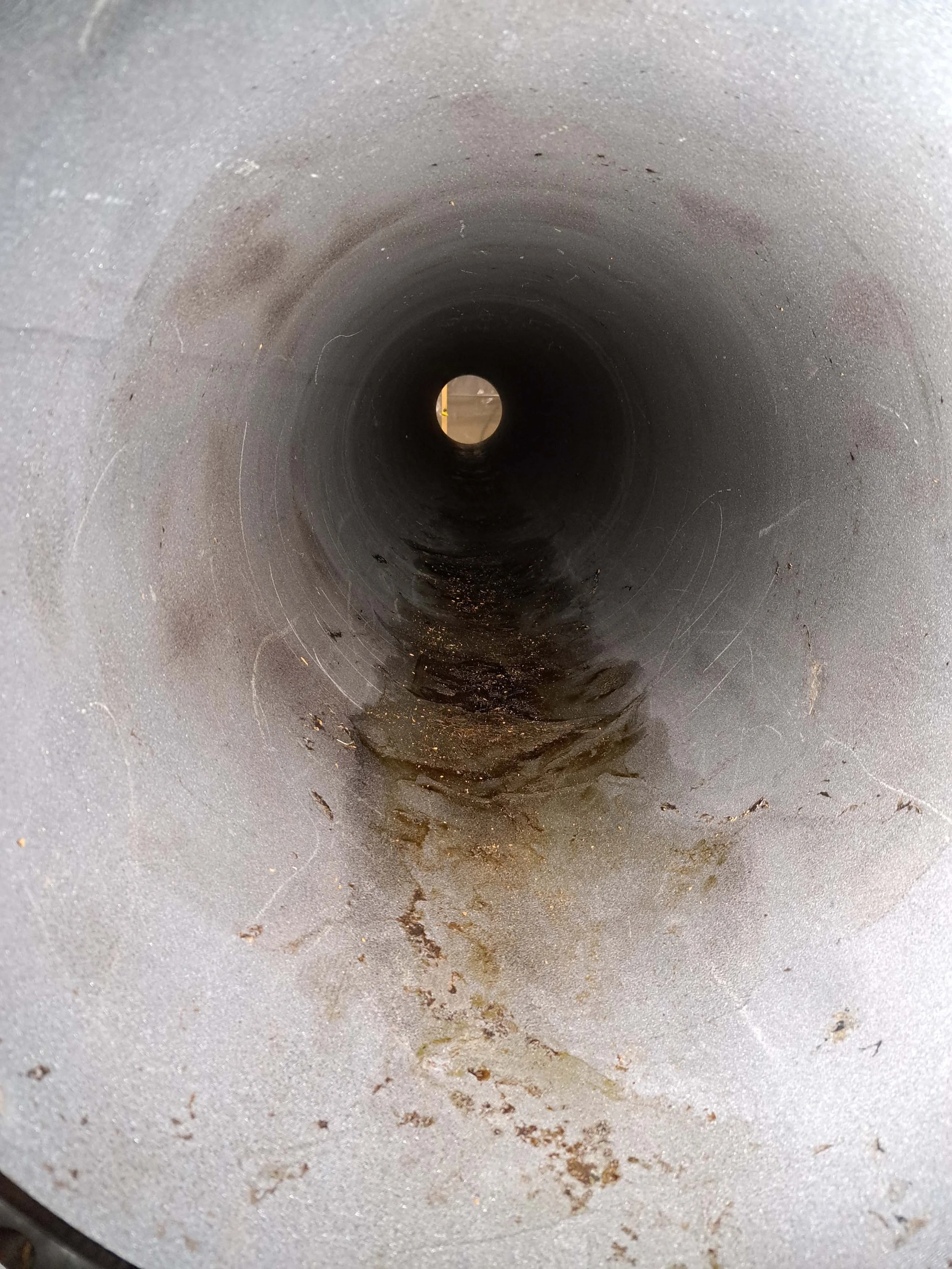
This process separates adhered rubber from steel components without damaging the metal surface.
Rubber-bonded steel parts are treated using a controlled penetration process that loosens the rubber-to-metal interface. The rubber lifts away cleanly, allowing steel components to be recovered without grinding, blasting, or corrosive stripping. Treatment conditions are adjusted based on rubber type and part geometry to ensure consistent separation.
This results is steel components being returned to serviceable condition with minimal finishing or rework required.
Note: Rubber detached during steel recovery is not reused. This process is focused on preserving steel components for refurbishment and redeployment.
Why these processes are different
⋮
Non-destructive treatment preserves material performance and dimensions.
⋮
Separate workflows for rubber and steel ensure each material is handled appropriately.
⋮
Designed specifically for reuse, not waste reduction alone.
⋮
Tunable operating conditions support consistent results across different parts and materials.
⋮
Engineered for integration into existing industrial environments.
Operational and environmental considerations
Operational fit
Both processes are designed for predictable, repeatable operation. Modular equipment, controlled treatment conditions, and material verification support consistent throughput and integration with existing handling and quality workflows.
Environmental performance
By enabling reuse rather than destruction, these processes reduce landfill volumes, avoid energy-intensive alternatives, and lower the need for virgin material production. Solvents and inputs are recovered and reused where possible to minimize waste and emissions.
Start reclaiming rubber and factory ready steel today.