

Practical reuse solutions for rubber and rubber-coated steel
Across heavy industry and manufacturing, rubber and rubber-bonded steel parts are routinely scrapped despite retaining structural and material value. Our processes enable operators to recover usable rubber and return steel components to service, reducing replacement costs, stabilizing material supply, and extending asset life without introducing operational complexity. The result is a practical, deployable approach to reuse that delivers measurable cost, reliability, and sustainability benefits.
Mining & resource operations
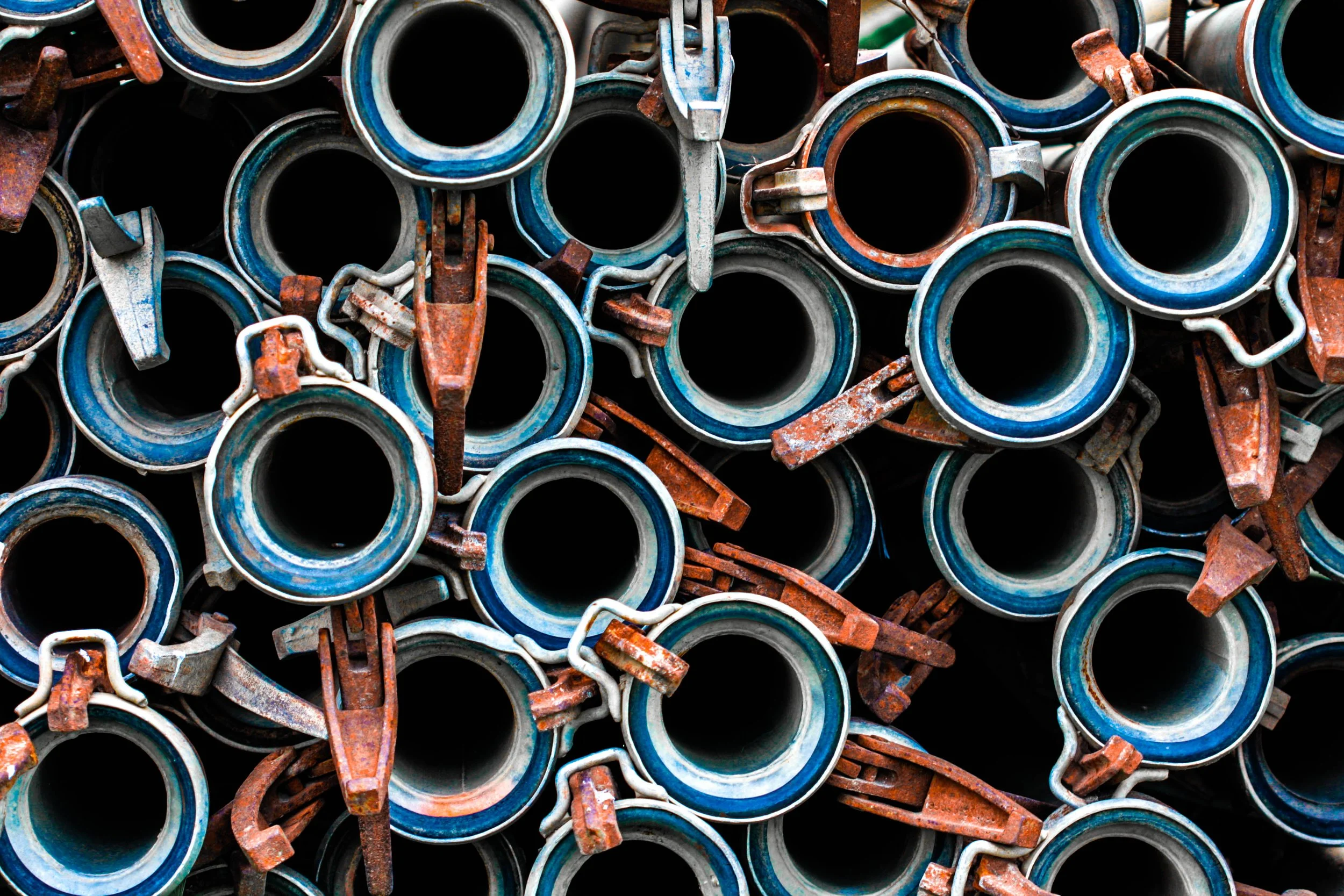
Mining operations rely on rubber-lined and rubber-coated components that experience extreme wear. When rubber fails, entire assemblies are often discarded, even though the underlying steel remains sound. This drives long lead times, high replacement costs, and unnecessary downtime.
Use cases
Reclaim rubber-lined pipe by returning steel substrates for inspection, relining, and redeployment
Refurbish liners, housings, and wear parts instead of scrapping full assemblies
Reduce downtime caused by long replacement procurement cycles
Key outcome
Lower total cost of ownership through faster refurbishment and reduced dependence on new components.

Automotive & transportation
Automotive manufacturers consume large volumes of rubber while facing ongoing pressure to control material costs and meet performance specifications. Scrap rubber and off-spec material are costly to dispose of and replace.
Use cases
Reintroduce reclaimed rubber into component manufacturing to displace virgin material
Stabilize rubber supply and pricing across production cycles
Reduce scrap disposal while maintaining part-spec performance
Key outcome
Lower material spend and improved margin stability without compromising quality.
Industrial & construction
Rubber-coated tools, fasteners, and vibration-control components are frequently replaced once coatings degrade, even though the underlying metal remains serviceable. This increases replacement costs and material waste across projects.
Use cases
Restore coated tools and fasteners for continued use
Extend service life of vibration isolation and protective components
Source reclaimed rubber and steel for compliant, durable installations
Key outcome
Reduced replacement costs and extended asset life across job sites and facilities.
Manufacturing & processing
Manufacturers rely on bonded rubber-and-metal components such as fixtures, molds, pumps, and housings. When rubber fails, equipment is often scrapped or heavily reworked, disrupting production schedules.
Use cases
Remove rubber from pump housings and internals without machining
Refurbish fixtures and molds for rapid return to production
Reduce scrap rates and stabilize throughput
Key outcome
Shorter turnaround times and more predictable production operations.
Defense & specialized equipment
Specialized equipment often includes rubber-bonded components that are costly to replace and difficult to source. Scrapping entire assemblies introduces logistical, security, and budget challenges.
Use cases
Detach rubber from metal components while preserving dimensional tolerances
Enable in-house or secure refurbishment of critical parts
Reduce logistics, replacement, and regulatory exposure
Key outcome
Improved equipment readiness and lower lifecycle cost for mission-critical assets.
Turn discarded materials into operational advantage.
By recovering reusable rubber and returning steel components to service, these processes reduce disposal and replacement costs, shorten downtime, and stabilize material supply. The result is faster turnaround, predictable margins, and stronger alignment with sustainability and procurement requirements without introducing new operational risk.